Augmentative and Alternative Communication (AAC)




General Information
Videos
Additional Links
General Information
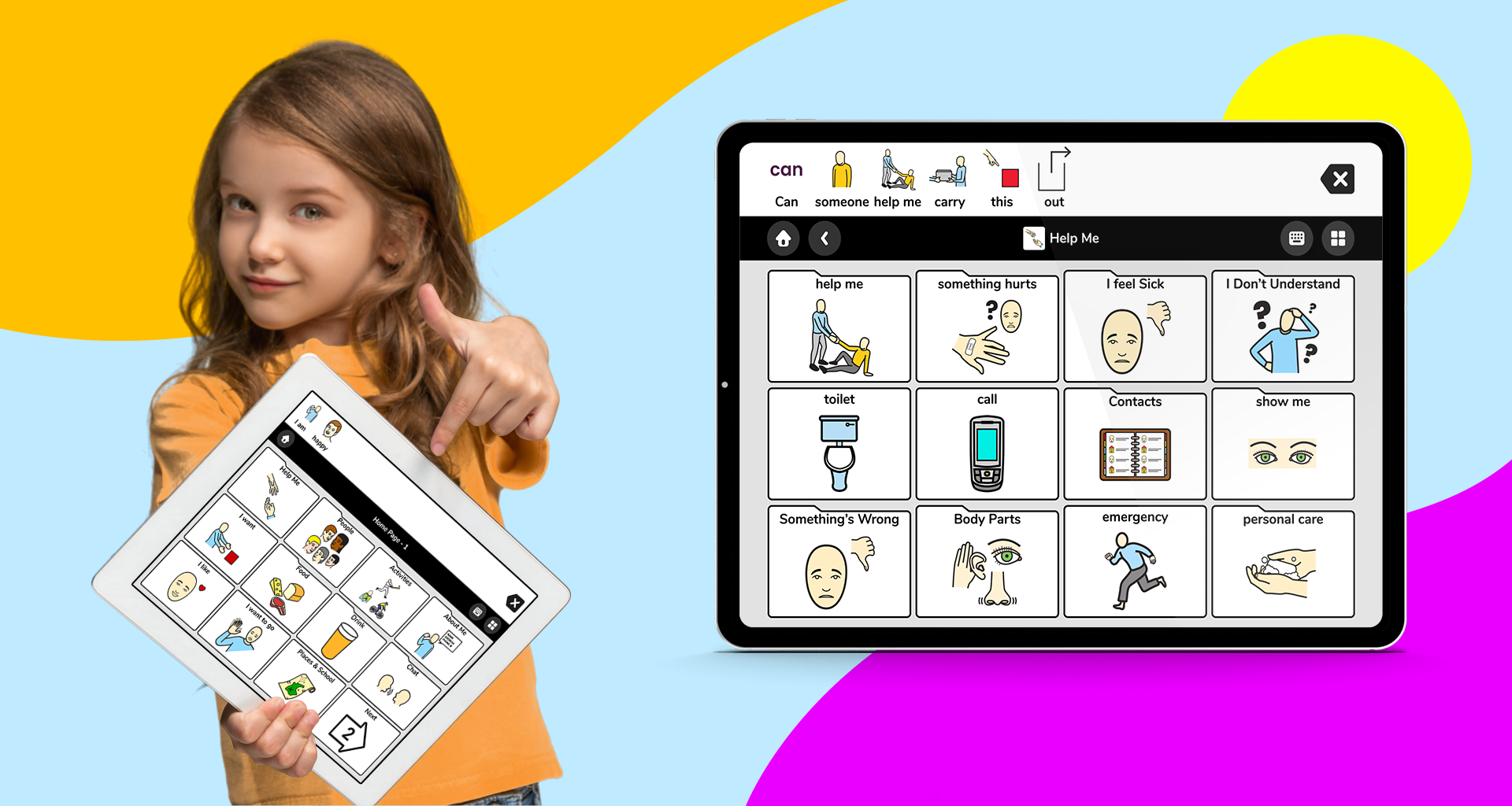
Augmentative and Alternative Communication (AAC) refers to tools and strategies that support people with barriers to speech or language in expressing themselves. AAC promotes communication, independence, and participation in daily life.
AAC can be temporary or long-term, depending on the person’s needs. It ranges from simple gestures to advanced digital systems and is used by people of all ages in schools, workplaces, homes, and community settings.
Types of AAC:
-
No-Tech AAC: Relies on the body or simple resources. Examples include gestures, facial expressions, pointing, and eye-gaze communication.
-
Low-Tech AAC: Basic non-electronic tools requiring minimal training. Examples include communication boards with pictures, letter boards, and paper-based systems.
-
Mid-Tech AAC: Simple electronic devices that provide speech output or basic assistance without dynamic displays. Examples include GoTalk devices, BigMack communicators, and single-message voice recorders.
-
High-Tech AAC: Advanced digital tools with speech generation and integration features. Examples include Proloquo2Go, TouchChat AAC apps, Tobii Dynavox devices, and eye-tracking systems.
Key Benefits of AAC:
-
Enhanced communication: Supports expression of thoughts, needs, and emotions.
-
Social engagement: Encourages interaction and relationship building.
-
Increased independence: Reduces reliance on communication partners.
-
Access to opportunities: Enables participation in education, work, and community life.
Additional Note:
The history of AAC traces back to classical Rome and Greece, where early augmentative strategies were documented among people who were deaf.